Chafing Dish Care Checklist: Before, During and After Your Event
Quick answer: Check the dish, the lid and your supplies before the event. Watch the flame, the water and the food temperature during it. Let everything cool before you wash and dry it. Keep hot food at 60°C or hotter, and follow any instructions that came with your dish and your fuel.

This is general good practice. Your dish and fuel instructions come first, and the venue or your local fire department may set rules on open flames.
Before the event
Inspect
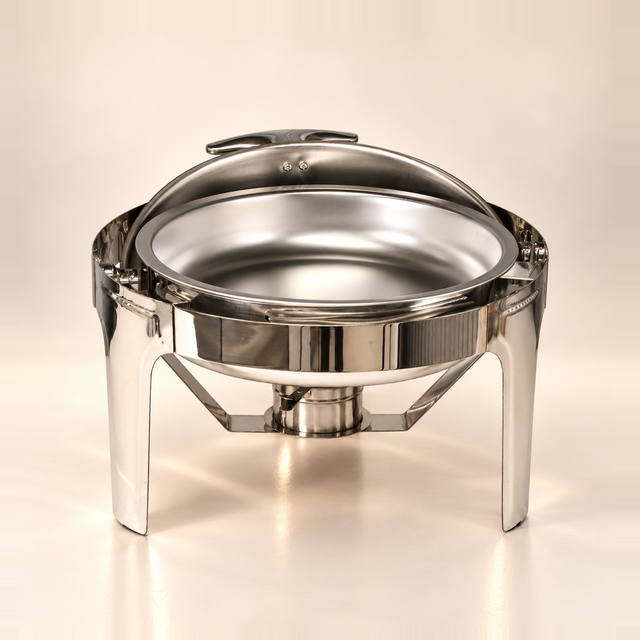
- Check any handles, hinges and fuel holders for looseness or damage. Do not use a damaged dish.
- Open and close every lid. If one sticks, check that any hinges are clean and intact. Do not force it.
- Check glass lids, and the glass dish if you have one, for chips and cracks. Stop using chipped or cracked glass.
Clean
- Wash a stored dish in warm soapy water, rinse well and dry fully with a soft cloth. Avoid steel wool and scouring pads.
- Finishes vary, so skip polish, scouring powder and strong cleaners unless your instructions allow them.
See the cleaning guide for full steps and the finish care guide for gold and silver.
Pack your supplies
- A probe thermometer. Check it in ice water before first use, after a drop and before each event. Stir crushed ice into water, hold the probe in it away from the sides and bottom for at least 30 seconds, and look for 0°C. If it reads off, follow the maker's instructions or replace it.
- Fuel made for chafing dishes (we recommend alcohol-based fuel, or the type your instructions call for), and enough for the whole event. Keep spare cans capped and away from the serving table.
- A long-reach lighter or match, and a snuffer, saucer or the fuel's own lid.
- Hot water for preheating, if your instructions call for it, plus cloths, oven mitts and spare clean spoons or tongs.
- A portable fire extinguisher within reach of the serving table. Ask the venue or your local fire department what type and rating they require.
Plan the food
- Cook or reheat food on the stove or in the oven first. A chafing dish holds hot food at temperature.
- Bring food that was cooked earlier and chilled to 74°C, Health Canada's reheating target, and reheat it once only. Do not plan to put buffet leftovers back on the buffet line. The after-event steps below say which food you can keep.
- If the food has to travel, see the guide on storing and transporting chafing dishes.
During the event
Set up and light
- Set the dish on a flat, level, stable table, away from the table edge.
- Keep napkins, paper plates, plastic and loose tablecloth edges well clear of the flame.
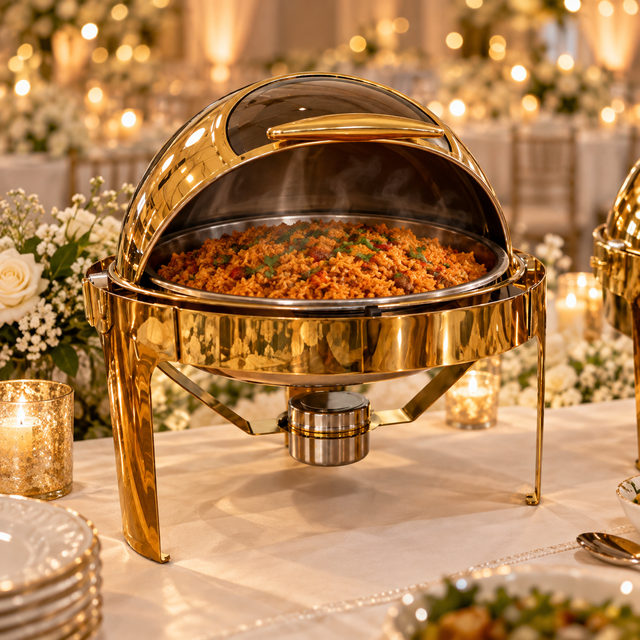
- If your dish has a water pan, add hot water to the fill line or depth in your instructions. Never light the fuel under an empty water pan.
- Put the fuel in its holder before you light it. Never light one can from another. The Crystal Clear home dish has a burner stand, so follow its instructions for fuel and lighting.
- If your instructions call for preheating, close the lid and follow their time. If your dish has a water pan, preheat until the water is steaming hot and at least 60°C.
- Add food straight from the stove or oven, piping hot, and keep it at 60°C or hotter.
Check as you go
- Water. If your dish has a water pan, check the level often. To top it up, put the flame out and let the dish settle first. Then, wearing oven mitts, lift the lid away from your face and add hot water slowly from a jug with a spout. Never pour water near a lit flame or the fuel holder.
- Flame. Never leave a lit dish unattended. Do not move a dish with a lit can under it.
- Temperature. As our house rule, check every 30 to 60 minutes: put the probe into the thickest part of the food, wait at least 15 seconds and look for 60°C or hotter. Clean and sanitize the probe between uses.
- Utensils, food and lids. Give each dish its own spoon or tongs, and swap in a clean spare if one is dropped. Do not add new food to a dish in use. Swap in a fresh, clean dish or pan. Keep lids closed between servings, and keep cold water off hot glass.
- Fresh air. Burning fuel can produce carbon monoxide, so ventilate the room and follow the fuel label.
- Refuelling. Put the flame out and let the dish and can cool before replacing a can. Keep spare fuel away from the serving area and anything that could ignite it, and do not move the dish to refuel it. Never pour fuel into a unit that is lit or hot.
If something goes wrong
- If the food is not holding at 60°C, see the guide on dishes that do not keep food hot. Throw out food that has spent more than two hours in total between 4°C and 60°C, or one hour on a hot day. If food that guests have already served from drops below 60°C, throw it out instead of reheating it. Our safety guide explains the one case where reheating is allowed.
- If a fire starts, call 911 first, even if it is small. Fight it only if it is small and not growing, everyone is out or leaving, you have a clear way out and you know how to use the extinguisher. Otherwise, leave.
- Do not throw or pour water onto burning fuel, because it can splash the fire. Follow your fuel label's fire instructions. For a small can fire, cover the can with its lid only if you can do so safely.
The safety guide covers water pans, fuel and hot holding.
After the event
- Put out the flame with a snuffer, a saucer or the fuel's own lid, as the fuel instructions say, and never blow it out. Let everything cool before you move a dish that still holds hot water or food.
- Keep only food that stayed hot and that guests did not serve themselves from. If you are not sure, throw it out. Use a serving spoon to move what you keep from the dish into clean, shallow containers, and do not lift a pan that sits over hot water.
- Refrigerate the containers within two hours of when the food stopped being held hot, or sooner on a hot day. Split large batches into several shallow containers so they cool faster. Food that never went into the dish should also be cooled quickly in shallow containers and refrigerated within the same time.
- Do not put kept food back on a buffet line. Manitoba's caterer guideline says food put out on a self-serve buffet line must not be reused, and Ontario's food premises regulation says food already served to a customer must not be served again, with limited exceptions. Ask your local public health unit what applies.
- If your dish has a water pan, empty it once the water has cooled, and carry it carefully. Rinse out salty or acidic food promptly, because it can mark stainless steel.
- Wash the parts in warm soapy water with a soft cloth, rinse well and wipe off soap residue. Do not soak the hinges or immerse the whole dish unless your instructions say you can.
- Dry everything before it goes away. If you sanitize food-contact parts, follow the product label, rinse as it says and let them air dry. Chlorine sanitizers can pit stainless steel. Never mix bleach with vinegar or other cleaners.
- Inspect the dish again for loose handles, stiff hinges or chipped glass, and fix them before the next event. Store it somewhere cool and dry, with unused fuel capped and away from heat and anything flammable.
Common questions
Can I reheat food in the chafing dish?
Heat the food on the stove or in the oven first, then move it into a dish that is already hot. A chafing dish holds hot food at temperature.
How often should I check the food temperature?
Keep hot food at 60°C or hotter. A good habit is to check on a regular schedule, about every 30 to 60 minutes, and sooner if the lid is opened often or the fuel is running low. Ask your local public health unit if it sets a different interval.
Can I put my chafing dish in the dishwasher?
Check any instructions that came with your dish, because makers differ. We cannot confirm that any of our dishes or parts are dishwasher safe, so wash by hand unless your instructions say otherwise.
For larger events you can ask for a quote on our wholesale page.